

General-Purpose Polystyrene (GPPS) Granules are widely used thermoplastic raw materials known for their clarity, rigidity, lightweight structure and ease of processing. They are commonly used in packaging, consumer products, disposable items, household products, electrical components and several industrial applications. As manufacturers increasingly focus on consistent raw material quality, the sorting and quality control of plastic granules have become increasingly important.
In plastic processing and recycling operations, even small amounts of unwanted colored granules, contaminated material or inconsistent particles can affect the appearance and performance of the final product. This is where modern optical sorting technology can provide an important advantage.
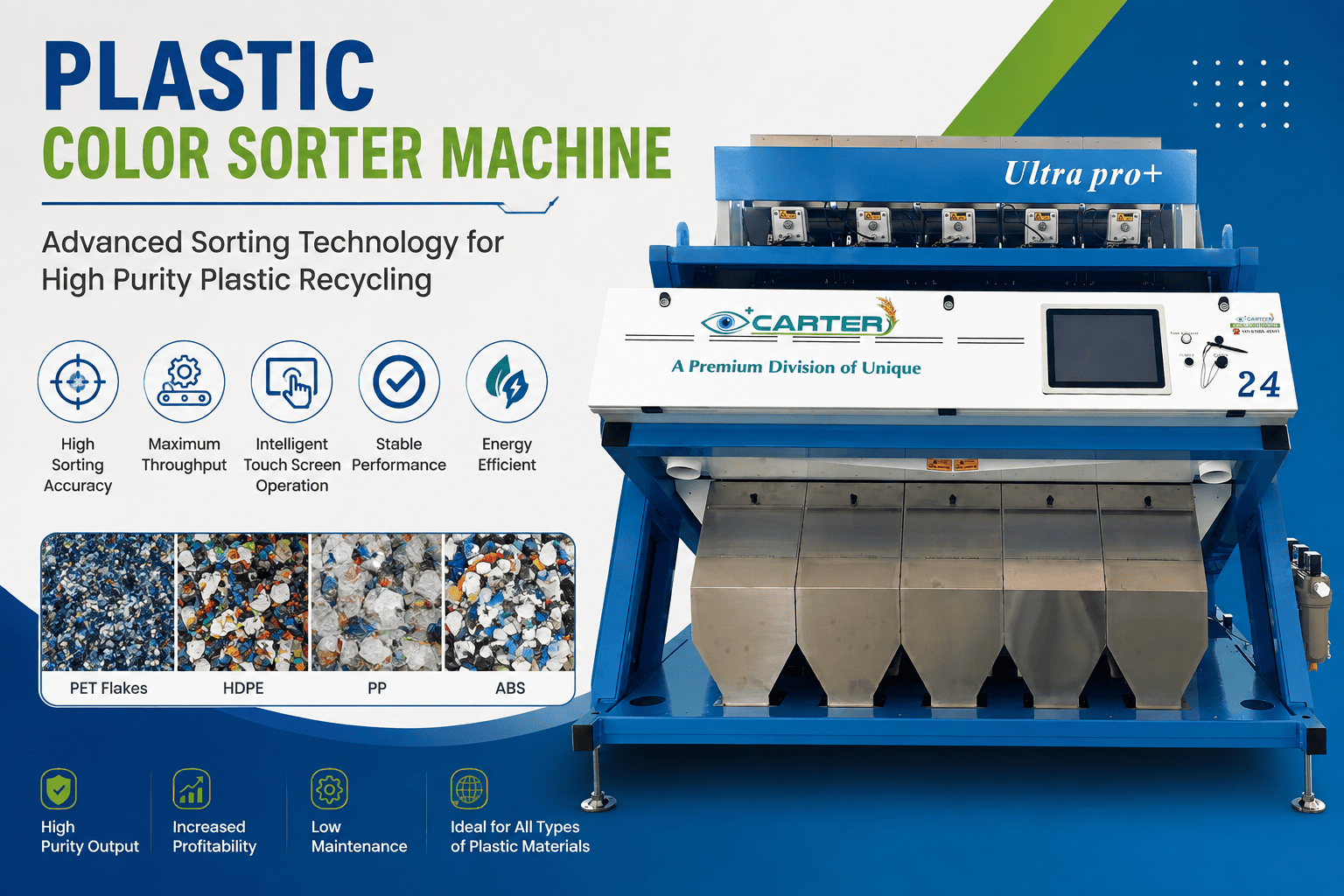
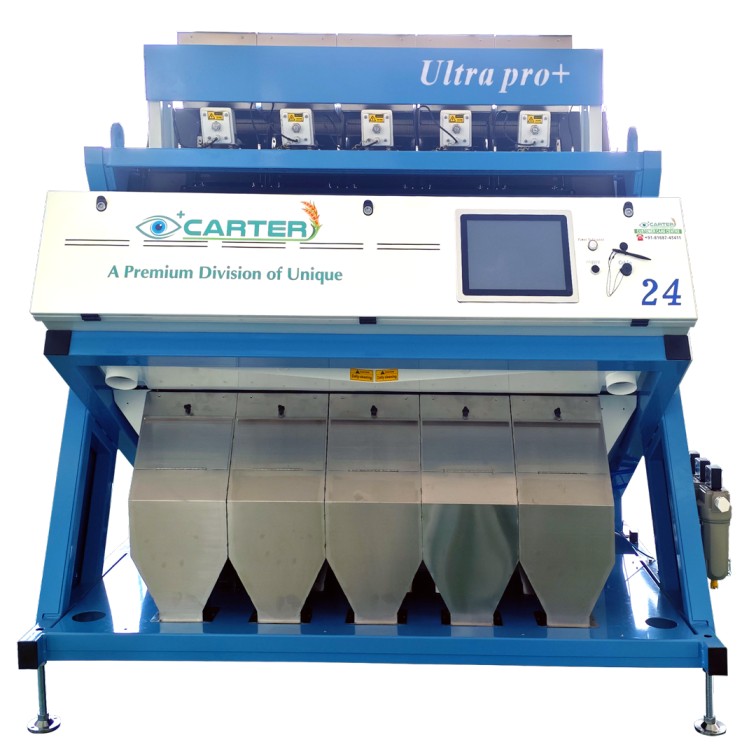
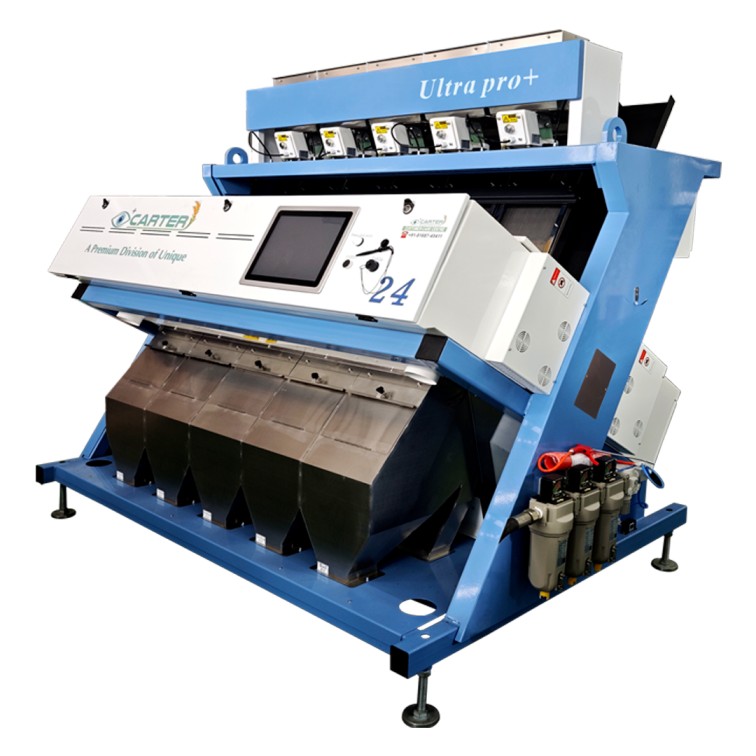
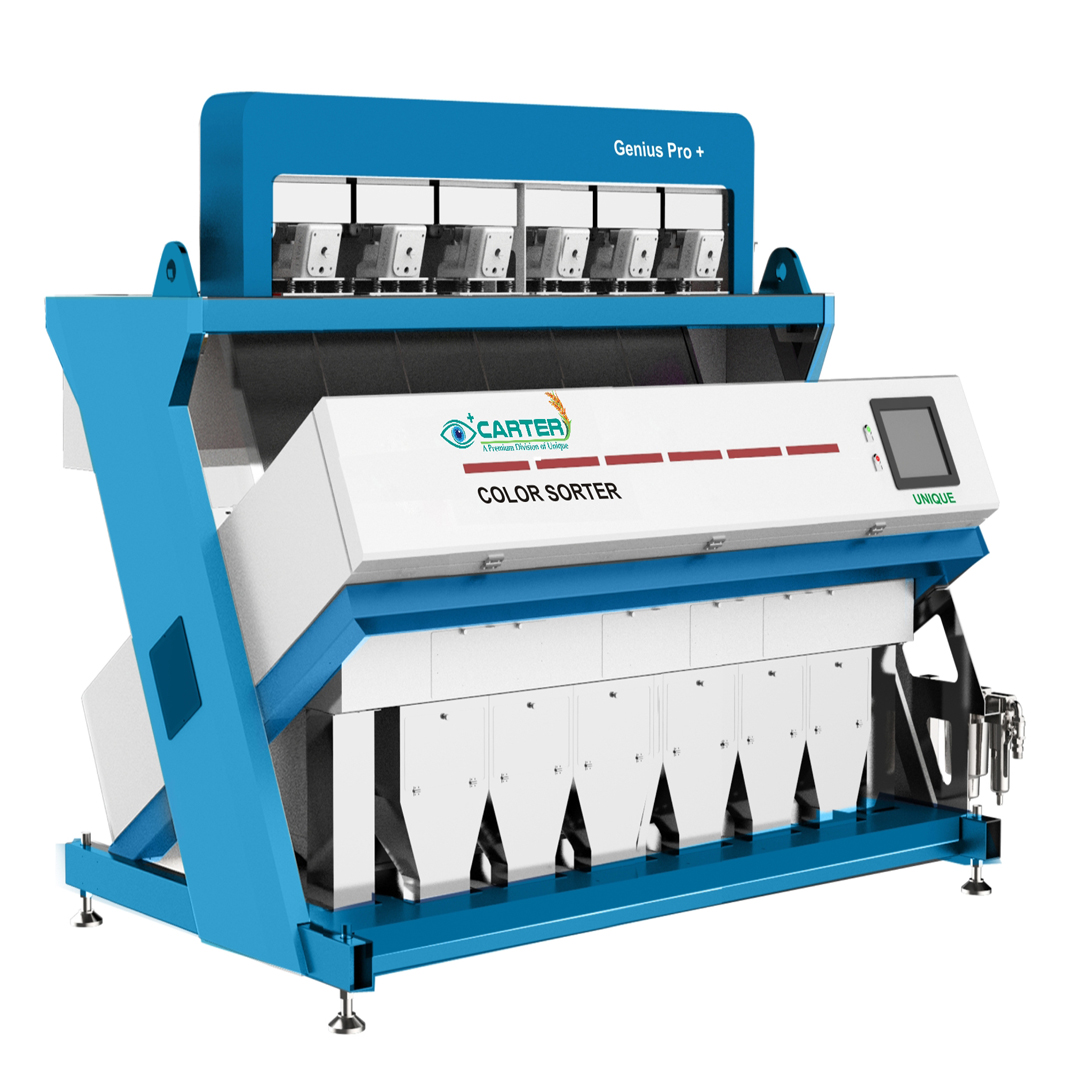
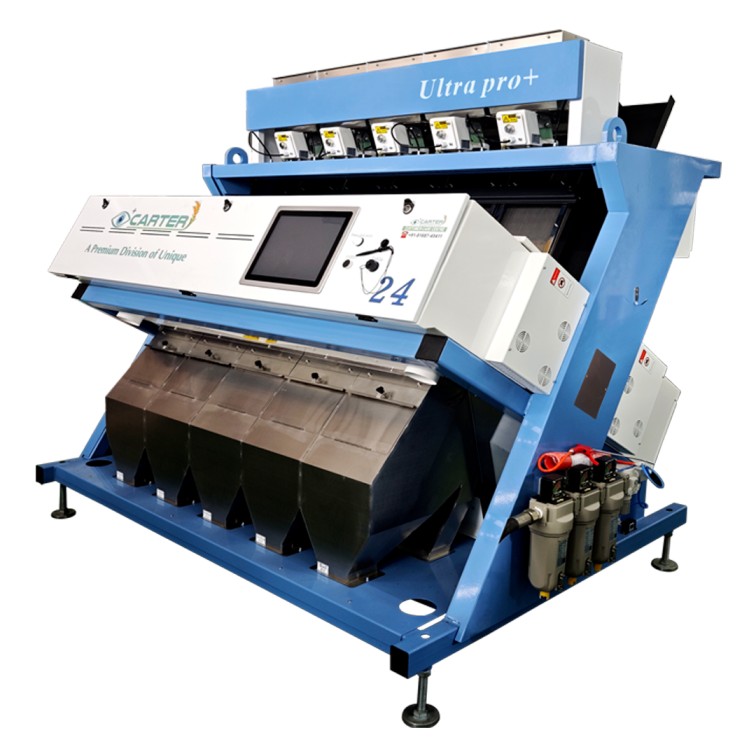
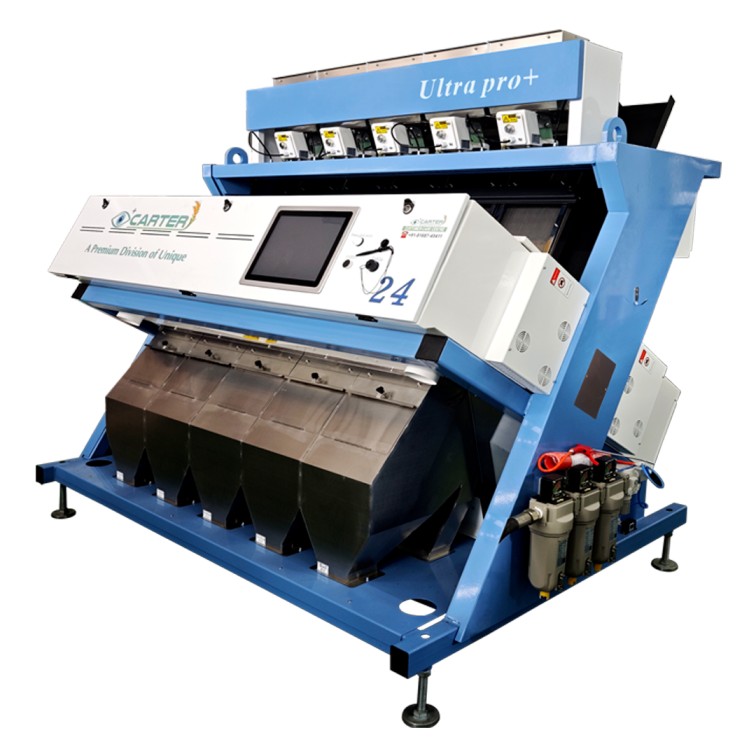
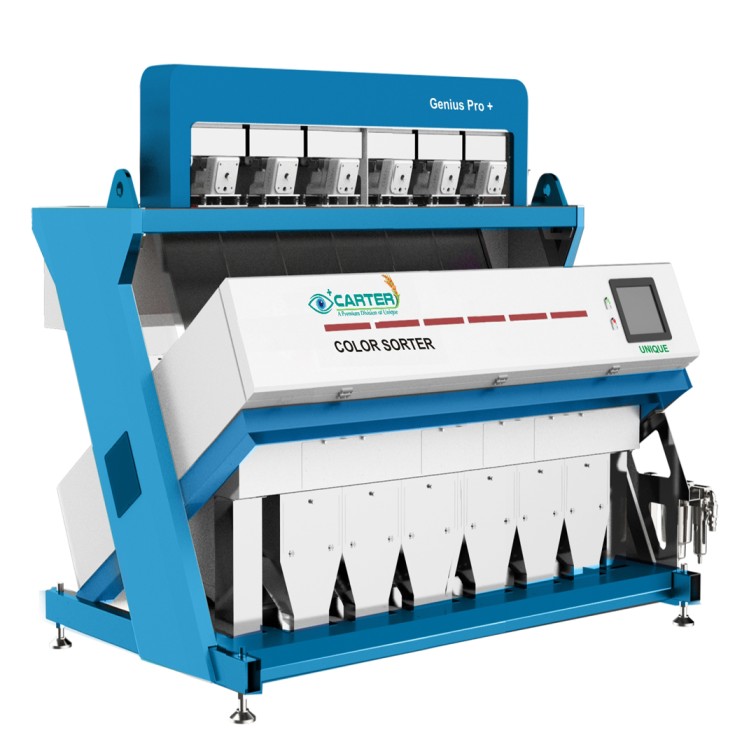
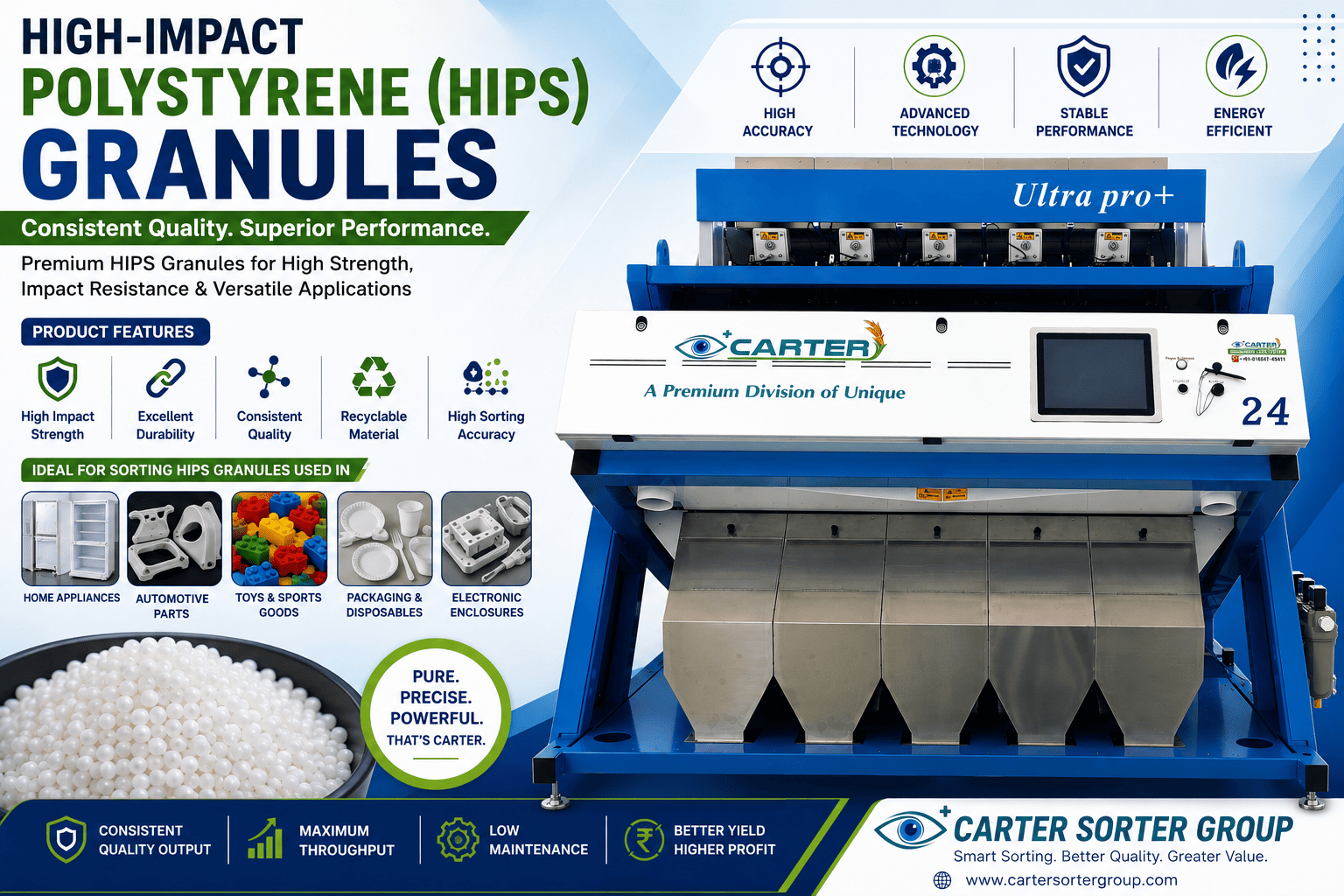
A Plastic Color Sorter Machine can automatically identify and separate plastic granules according to color and visible quality characteristics. For businesses handling GPPS granules, this technology can help improve material consistency, reduce contamination and produce a cleaner, more uniform output.
Carter Sorter Group provides advanced optical sorting solutions for plastic materials and industrial applications. Its plastic sorting technology is designed to support automated separation of plastic granules, flakes and other materials with high-speed optical inspection and automatic rejection systems.
General-Purpose Polystyrene, commonly abbreviated as GPPS, is a type of thermoplastic polymer produced from styrene. GPPS is generally valued for its rigidity, transparency, dimensional stability and relatively easy processing characteristics.
GPPS is commonly supplied in the form of plastic granules or pellets, which can then be processed through manufacturing equipment such as injection molding and extrusion machines.
The appearance of GPPS granules can vary depending on the formulation, application and manufacturing process. Clear, transparent, white and other controlled colors may be required for different products. Therefore, maintaining consistent granule color and removing unwanted particles can be an important part of quality control.
Common characteristics of GPPS include:
For manufacturers working with high-volume plastic production, consistent GPPS granules are important because variations in color or contamination can become visible in the finished product.
General-Purpose Polystyrene Granules are used in a wide range of industries because they can be processed into different shapes and products.
Some common applications include:
GPPS can be used in various packaging applications where rigidity, appearance and processing characteristics are required.
Polystyrene-based materials are used in many household products and consumer goods.
Certain disposable plastic products can be manufactured using suitable polystyrene grades.
GPPS and other polystyrene-based materials can be used in selected electrical and electronic applications where the material properties are suitable.
Plastic processors can use GPPS granules for molded components and other industrial products.
The material can be processed into various consumer products requiring rigidity, dimensional consistency and a particular appearance.
Because the final product may require a specific appearance, manufacturers often need to maintain strict control over the color and cleanliness of the raw material.
In a plastic manufacturing or recycling operation, the incoming material may contain granules with unwanted color variations, dark particles, discolored pieces or other visible contaminants.
Manual sorting can be difficult when processing large quantities of small plastic granules. It can also result in inconsistent sorting because human inspection depends on operator concentration and working conditions.
A Plastic Color Sorter Machine provides an automated alternative.
The machine uses optical inspection technology to examine individual particles moving through the sorting system. When the system detects material that does not match the programmed sorting criteria, a high-speed air ejection system can remove the unwanted particle from the product stream.
This makes optical sorting particularly useful where businesses require:
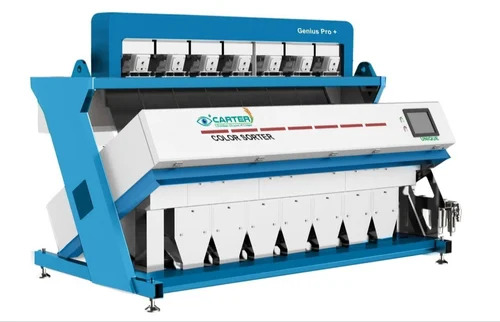
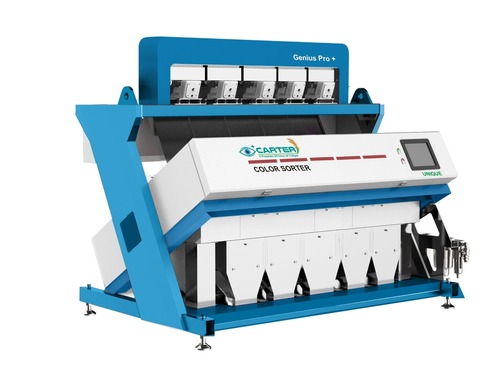
A modern Plastic Color Sorting Machine combines material feeding, optical detection, image processing and automatic rejection.
The basic sorting process generally includes the following stages.
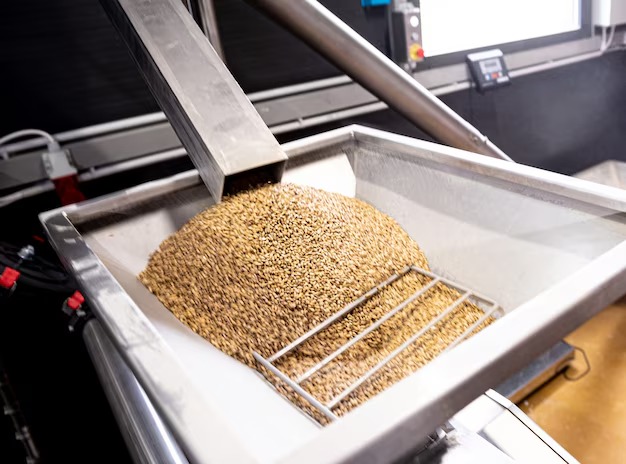
GPPS granules are introduced into the machine through a controlled feeding system. Proper feeding helps distribute the material evenly so that individual particles can be inspected effectively.
Uniform material flow is important because overlapping granules can make optical detection more difficult.
As the granules move through the inspection area, high-resolution cameras and optical sensors capture information about the individual particles.
The sorting system examines visible characteristics such as color and shade differences.
The captured images are processed by the machine's electronic control and image-processing system.
The system compares the detected particles with the programmed sorting parameters and identifies particles that do not meet the selected quality criteria.
Unwanted particles can include:
The exact sorting capability depends on the material, machine configuration and sorting parameters.
Once an unwanted particle is identified, the machine activates its pneumatic ejection system at the appropriate moment.
The rejected particle is separated from the acceptable product stream while the required GPPS granules continue toward the good-material outlet.
This process takes place automatically and at high speed.
Using a Color Sorter Machine for Plastic Granules can provide several operational benefits for plastic processors and recycling businesses.
One of the primary advantages of optical sorting is its ability to remove unwanted visible particles from the material stream.
Cleaner output can help manufacturers maintain more consistent raw material quality.
Color consistency is particularly important when the final plastic product has strict appearance requirements.
A plastic color sorter can help separate unwanted color variations and improve the uniformity of the sorted material.
Manual sorting of small plastic granules can require significant labor and continuous visual inspection.
Automated sorting reduces dependence on manual inspection and allows operators to focus on other production activities.
Modern optical sorting machines are designed for continuous industrial operation.
This allows businesses to process large quantities of material while maintaining automated inspection and rejection.
Automated sorting provides a more consistent sorting process than relying entirely on manual inspection.
Operators can configure the machine according to the characteristics and quality requirements of the material being processed.
Removing unwanted particles before further processing can help reduce contamination in the final material stream.
This can be especially useful for businesses producing recycled or processed plastic granules.
Automating the sorting stage can streamline the overall plastic processing operation.
Instead of relying solely on manual separation, manufacturers can integrate optical sorting into their production line.
Plastic recycling facilities may handle different types of plastic materials, including flakes, granules and reprocessed plastic.
When recycled material is processed, variations in color and contamination can become a major quality-control challenge.
For example, a batch of recycled plastic granules may contain a mixture of acceptable and unwanted colors. If these materials are not separated, the resulting recycled material may have inconsistent appearance and quality.
A Plastic Granules Color Sorter Machine can help automate the separation process.
Optical sorting can be integrated into recycling lines to inspect material and reject particles that do not match the desired sorting criteria.
Carter Sorter Group's plastic sorting solutions are designed for applications involving plastic flakes, granules and different plastic materials. Its product range includes sorting solutions for PET, ABS, PVC, HDPE, PP, LDPE, transparent plastics, colored plastics and plastic flakes.
Selecting the right Plastic Color Sorter Machine Manufacturer is important because sorting performance depends on the material characteristics, processing capacity and required purity.
Before purchasing a machine, businesses should evaluate several factors.
Clearly identify the material that needs to be sorted.
For GPPS applications, provide information about the granule size, color range, transparency, moisture condition and contamination level.
The machine should be selected according to the required processing capacity.
A small plastic processing operation may have different requirements from a large-scale recycling plant.
Determine whether the primary objective is color separation, removal of dark particles, contamination removal or a combination of sorting requirements.
The quality of cameras, sensors, illumination and image-processing technology can influence sorting performance.
Modern sorting systems use advanced optical inspection and intelligent processing to identify differences between acceptable and unwanted material.
High-speed pneumatic ejectors are responsible for physically removing rejected particles.
A reliable ejection system is therefore an important component of an industrial color sorter.
A user-friendly interface allows operators to configure sorting parameters and monitor the machine more easily.
Industrial equipment should be supported by dependable technical assistance, spare parts and after-sales service.
Carter Sorter Group is an Indian manufacturer and supplier of advanced optical sorting technology for agricultural, food-processing and industrial applications.
The company has developed solutions for plastic sorting alongside its wider range of color sorting machines. Its website describes applications including plastic flakes, granules and different polymer materials.
For businesses looking for a Plastic Color Sorter Machine Manufacturer in India, Carter Sorter Group focuses on automated optical sorting technology designed to improve sorting accuracy, material purity and processing efficiency.
The company's sorting solutions can be considered for applications involving:
The appropriate machine configuration should be determined according to the actual material sample, granule characteristics, required throughput and sorting objective.
India has a growing plastic processing and recycling industry, creating demand for automated technologies that can improve quality and productivity.
A Color Sorter Machine in India can be used across multiple industries where visual separation of materials is required.
For plastic processors, the technology provides an opportunity to automate an important quality-control stage.
Instead of depending entirely on manual inspection, businesses can use optical sorting technology to inspect material continuously and automatically reject selected particles.
For companies searching online for a plastic color sorter machine manufacturer in India, it is important to compare not only the initial machine cost but also sorting performance, operating cost, service support, machine configuration and long-term reliability.
Manual sorting and optical sorting have different advantages.
Manual sorting requires workers to visually inspect and separate material. This may be practical for very small quantities but becomes difficult as production volumes increase.
Optical sorting uses cameras, sensors, software and automatic pneumatic ejection to perform the inspection process.
For high-volume plastic processing operations, automated optical sorting can therefore provide a significant operational advantage.
The future of plastic sorting is increasingly connected with automation, artificial intelligence, machine vision and advanced optical technologies.
As plastic recycling and manufacturing requirements become more demanding, sorting machines are expected to become more intelligent and capable of identifying increasingly subtle differences between materials.
AI-based image processing can support advanced defect recognition and automated sorting decisions. Carter Sorter Group also promotes AI-based optical sorting technology for applications including plastics and other industrial materials.
Future developments in plastic sorting may include:
These developments can help plastic processors improve efficiency while supporting the broader objective of increasing material recovery and recycling.
GPPS Granules are plastic pellets made from General-Purpose Polystyrene. They are used as raw material for manufacturing various plastic products through processes such as injection molding and extrusion.
Yes, optical sorting technology can be used for suitable GPPS granule applications where color and visible quality differences need to be identified and separated. Machine configuration should be selected according to the specific material sample and sorting requirements.
A Plastic Color Sorter Machine is an automated optical sorting system that examines plastic particles and separates unwanted material according to programmed sorting criteria.
A color sorter can help improve material purity, maintain color consistency, reduce manual sorting and increase processing efficiency.
Yes. Plastic color sorting machines can be used in recycling applications involving plastic flakes, granules and other suitable plastic materials. Carter Sorter Group offers plastic sorting solutions for several polymer applications.
Consider the plastic type, granule size, color characteristics, contamination level, required capacity, sorting objective, optical technology and after-sales support before selecting a machine.
General-Purpose Polystyrene (GPPS) Granules are important plastic raw materials used in numerous manufacturing applications. As plastic processing and recycling industries demand greater consistency and purity, automated sorting technology is becoming increasingly valuable.
A Plastic Color Sorter Machine can inspect plastic granules using optical technology and automatically remove unwanted colors, defective particles and selected contaminants. This can help businesses reduce manual sorting, improve material quality and increase production efficiency.
For manufacturers, recyclers and plastic processors searching for a Plastic Color Sorter Machine Manufacturer in India, selecting the right machine should involve careful consideration of the material characteristics, capacity, sorting requirements and technical support.
Carter Sorter Group provides optical sorting solutions for plastic granules, flakes and multiple polymer applications. With advanced sorting technology and industrial automation, the company aims to help plastic processing businesses achieve cleaner, more consistent and higher-quality material output.
If you are processing GPPS granules, plastic granules or recycled plastic materials, a properly configured optical sorting system can be an important step toward improving quality control and production efficiency.
Contact Carter Sorter Group to discuss your plastic sorting requirements and identify a suitable color sorting solution for your material.
Copyright © 2025 Carter Unique Group, All Right Reserved.
.jpeg)
 Granules.png)
 Granules.png)
 Granules.png)
 Granules.png)
 Granules.png)


