

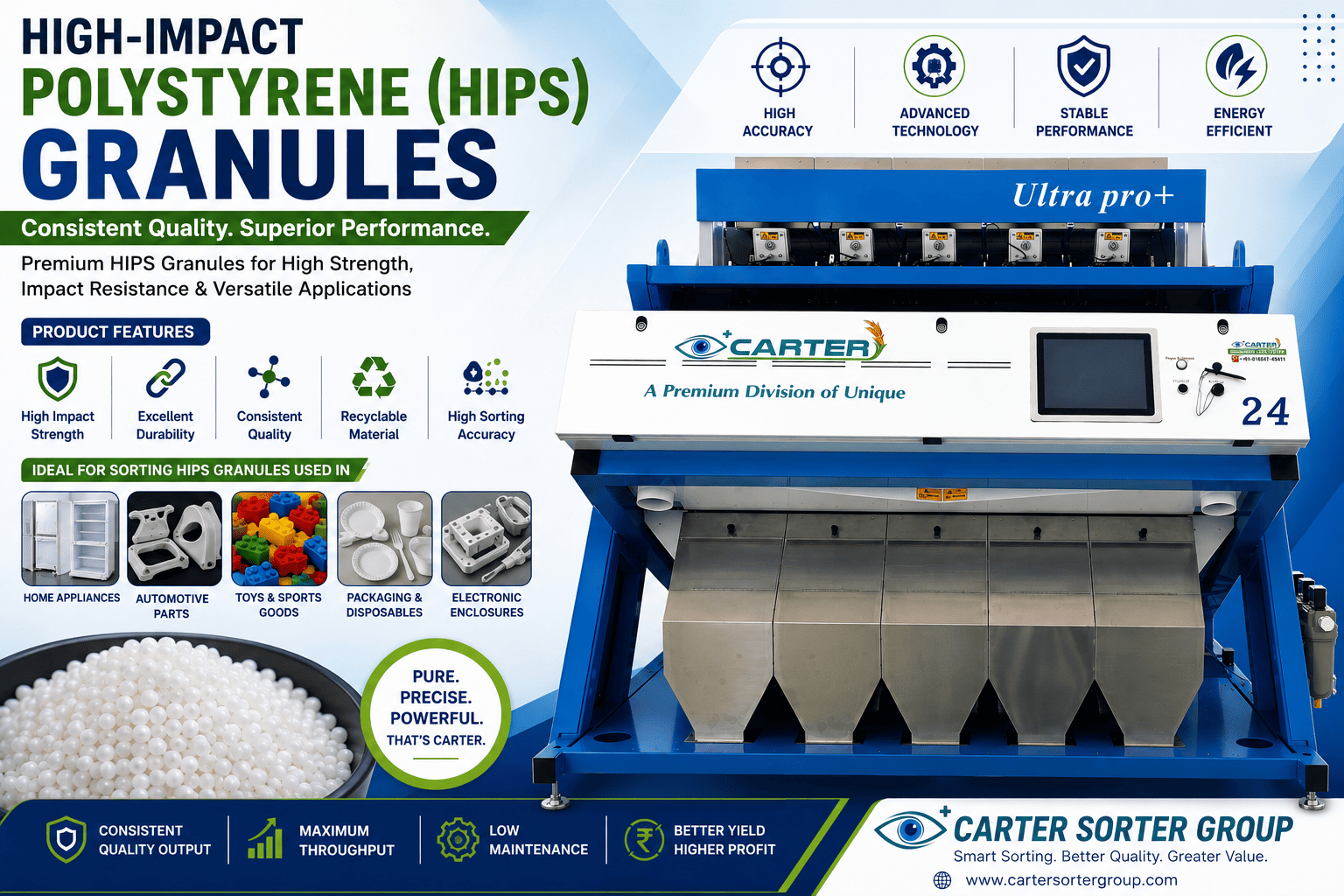
High-Impact Polystyrene (HIPS) Granules are widely used engineering and general-purpose thermoplastic materials known for their improved impact resistance, rigidity, good processability and attractive surface finish. HIPS is a modified form of polystyrene in which an impact modifier, commonly rubber such as polybutadiene, is incorporated to improve toughness compared with conventional General-Purpose Polystyrene (GPPS).
HIPS Granules are used in a wide range of products, including appliance components, electrical and electronic housings, consumer products, packaging, toys, furniture components, trays and thermoformed products. Depending on the grade, HIPS can provide different combinations of impact strength, stiffness, gloss, heat resistance, flow and processing characteristics.
For plastic manufacturers and recyclers, maintaining consistent color, purity and material quality is important. Unwanted colors, black particles, foreign plastics and contamination can affect the appearance and performance of finished products.
This is where a Plastic Color Sorter Machine can be useful. Modern optical sorting technology can inspect suitable plastic granules and automatically separate selected unwanted particles according to their visible color or other programmed optical characteristics.
For companies processing HIPS Granules, understanding the material, its applications, recycling requirements and the role of automated sorting technology can help improve production and quality-control processes.
High-Impact Polystyrene (HIPS) Granules are pelletized thermoplastic resin used as a raw material for manufacturing plastic products.
HIPS is produced by modifying polystyrene to improve its impact performance. The addition of an impact-modifying rubber phase helps provide greater toughness than conventional GPPS.
HIPS is an amorphous thermoplastic and is commonly processed through injection molding, extrusion and thermoforming. Its combination of stiffness, impact performance, processability and surface finish makes it suitable for a broad range of applications.
HIPS granules can be supplied in:
The exact properties depend on the particular HIPS grade and formulation.
HIPS and GPPS are both forms of polystyrene, but their performance characteristics are different.
GPPS, or General-Purpose Polystyrene, is generally known for rigidity, clarity and ease of processing but is relatively brittle.
HIPS, or High-Impact Polystyrene, is modified to provide improved impact resistance and toughness.
A simplified comparison is:
| Property | GPPS | HIPS |
|---|---|---|
| Transparency | Generally high | Generally lower/opaque |
| Impact resistance | Lower | Higher |
| Rigidity | High | Good |
| Toughness | Lower | Improved |
| Surface finish | Good | Good to high depending on grade |
| Processing | Easy | Easy |
| Common applications | Transparent products | Housings, appliances, packaging and consumer products |
The exact performance depends on the individual commercial grade.
High-Impact Polystyrene is popular because it provides a useful balance of performance, processing and cost.
The primary reason for modifying polystyrene into HIPS is to improve its impact performance.
Compared with conventional GPPS, HIPS can withstand mechanical impacts more effectively.
Material data for commercial HIPS grades demonstrate measurable impact strength along with useful tensile and flexural properties.
Although HIPS is designed for improved toughness, it maintains useful stiffness for many molded products.
This makes it suitable for housings, panels, appliance components and other products requiring a relatively rigid structure.
HIPS can be processed using injection molding, extrusion and thermoforming.
Commercial HIPS grades are available with different melt-flow characteristics depending on the intended manufacturing process.
Many HIPS grades can provide attractive surface finishes.
High-gloss grades are available for products where appearance is important.
HIPS can provide useful dimensional stability and relatively low post-molding shrinkage, which contributes to its use in molded components.
HIPS can be manufactured or compounded in different colors, making it suitable for products where appearance and color consistency are important.
HIPS is widely used for applications where a balance between performance, manufacturability and cost is required.
HIPS Granules are used in many industries and manufacturing processes.
HIPS can be used for selected electrical and electronic housings, cabinets and components.
Commercial HIPS grades are available specifically for electrical and electronic cabinet applications.
Examples include:
HIPS is used for various components of consumer appliances.
Applications can include:
The appropriate grade depends on the required temperature, impact, dimensional and regulatory performance.
HIPS is used in certain packaging applications because it offers good rigidity, processability and surface characteristics.
Applications can include:
HIPS is particularly useful for sheet extrusion and thermoforming.
Applications include:
Commercial HIPS materials are available specifically for sheet extrusion and thermoforming applications.
HIPS is used in a variety of consumer products.
Examples include:
Commercial HIPS grades are listed for applications including toys, appliance parts, construction, packaging and structural products.
HIPS can also be used for industrial products and components where moderate mechanical performance, processability and impact resistance are required.
The production of HIPS Granules involves polymer processing and incorporation of an impact-modifying phase.
A simplified production sequence can include:
The exact manufacturing process varies according to the HIPS grade and manufacturer.
During production, manufacturers may check:
For colored HIPS products, maintaining consistent color is particularly important.
Plastic manufacturers and recyclers may process large quantities of HIPS Granules.
A material stream can potentially contain:
When the material is used to manufacture visible products, even unwanted color particles can affect the final appearance.
Manual sorting becomes increasingly difficult when processing high volumes of small granules.
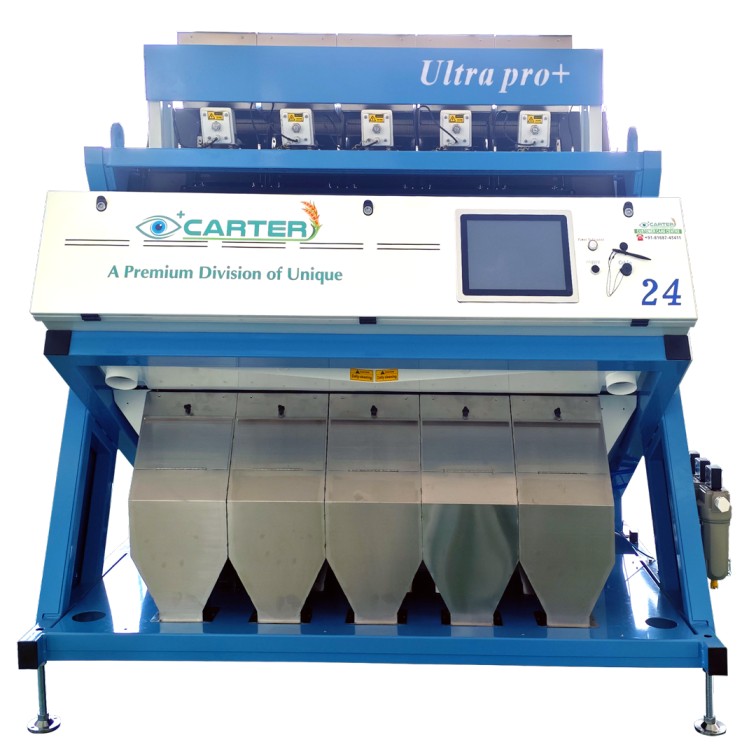
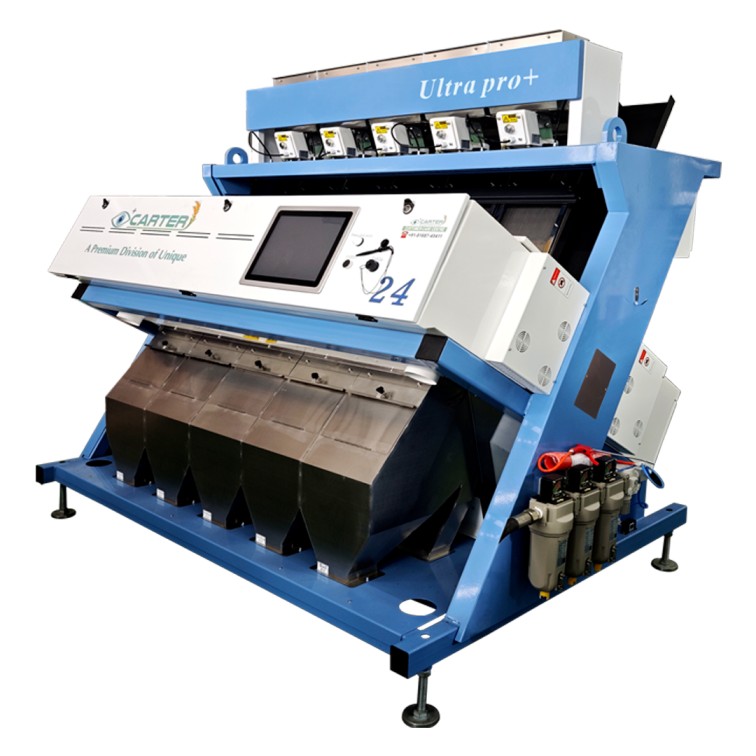
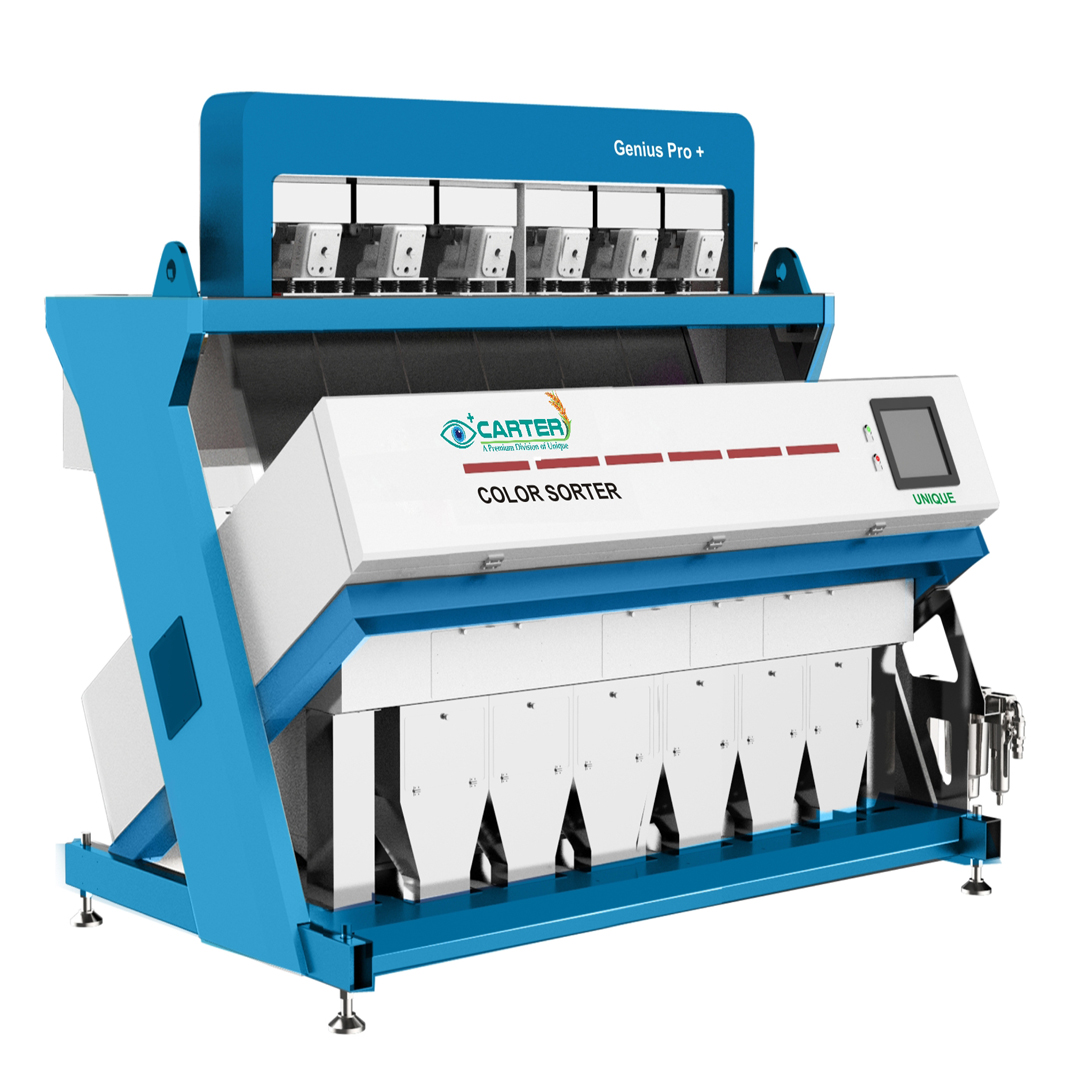
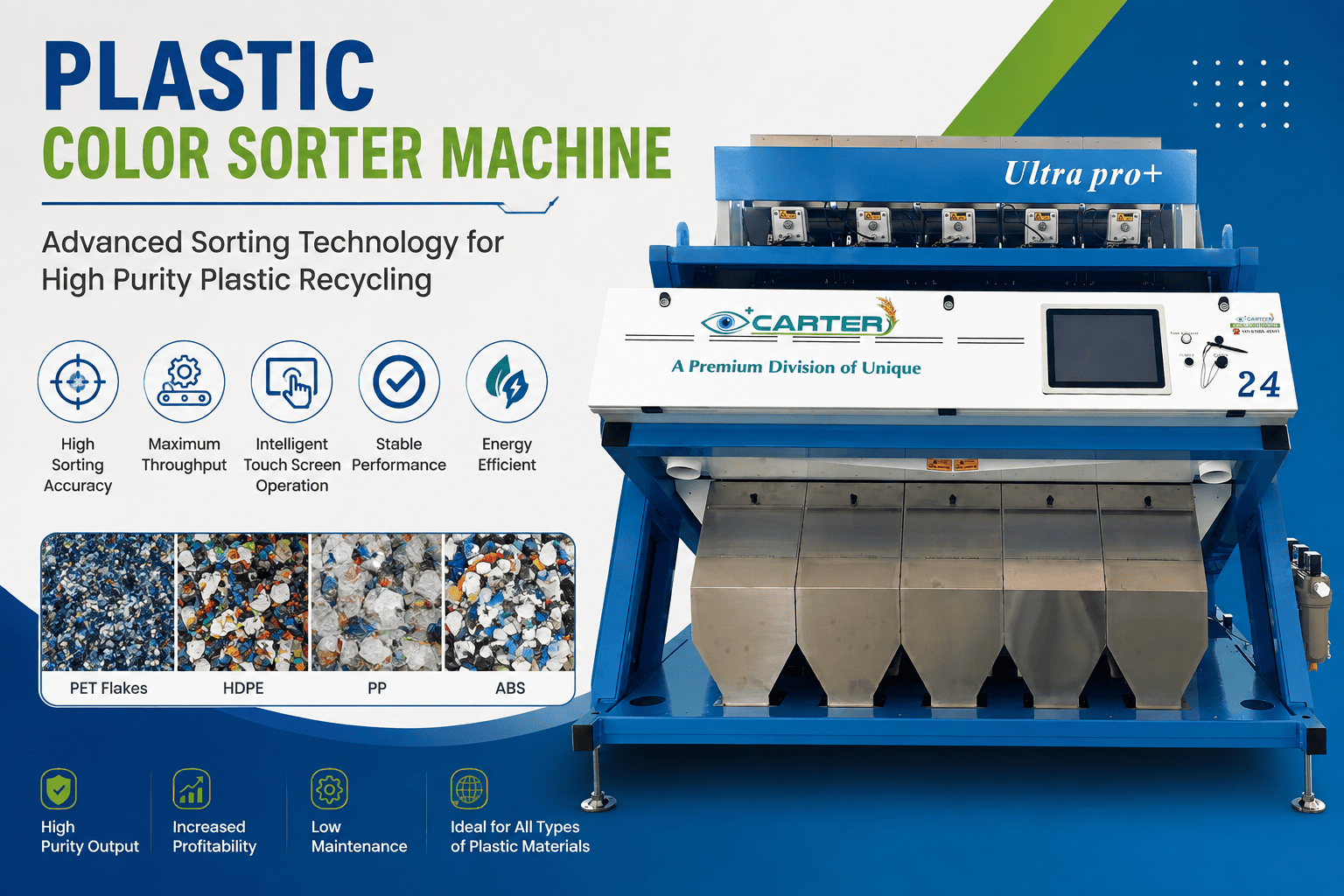
A Plastic Color Sorter Machine can automate the visual inspection process and separate selected unwanted particles from the main product stream.
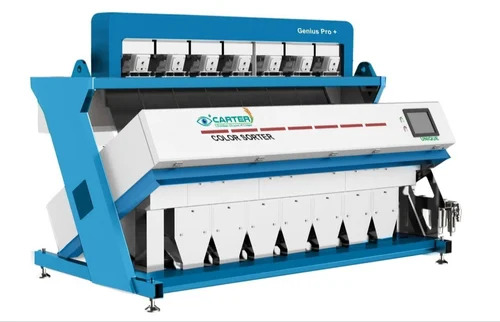
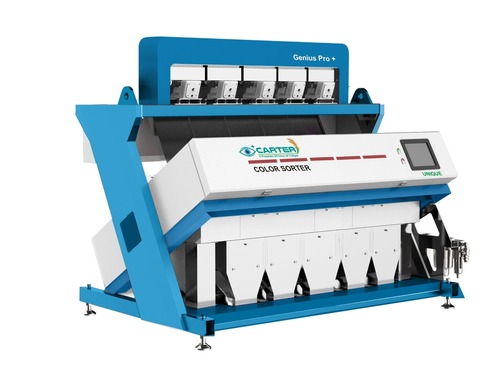
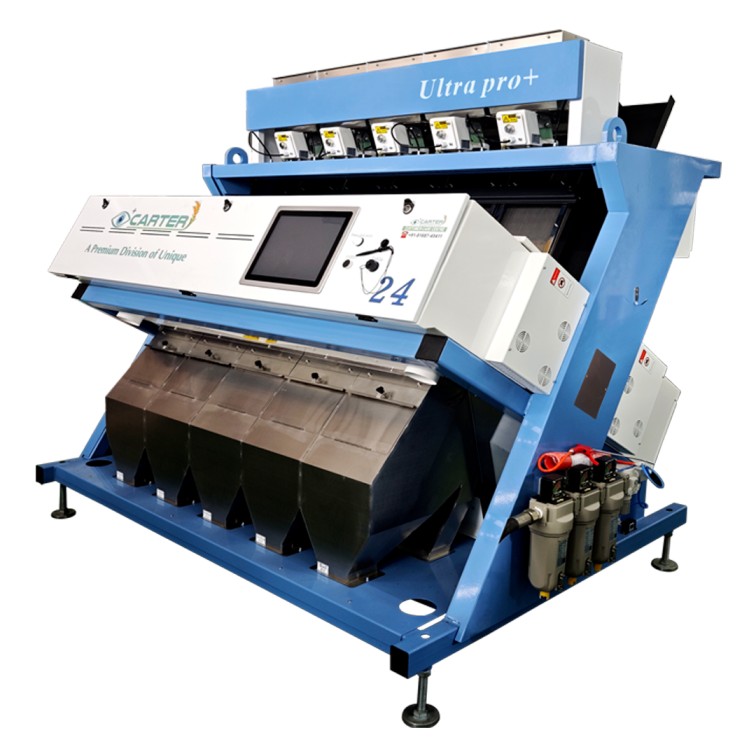
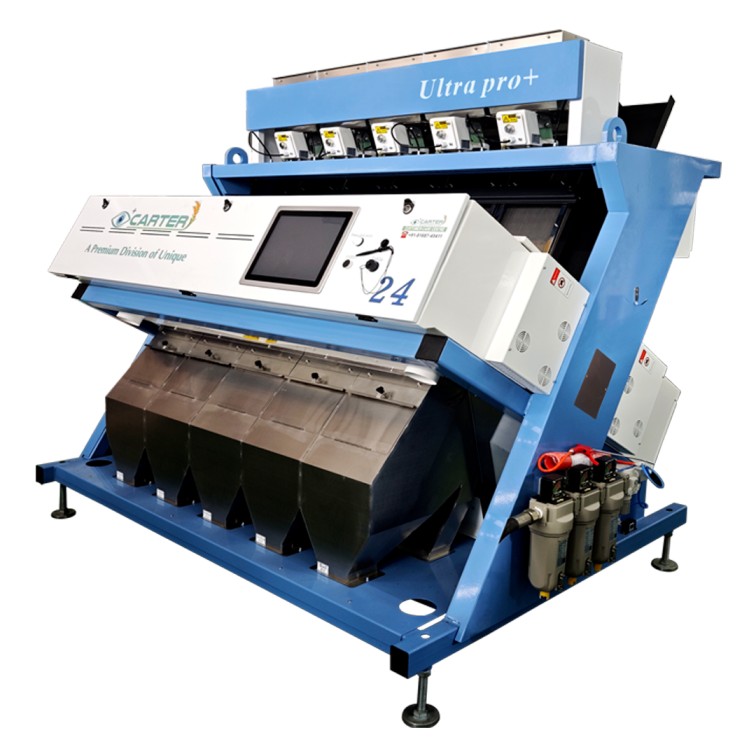
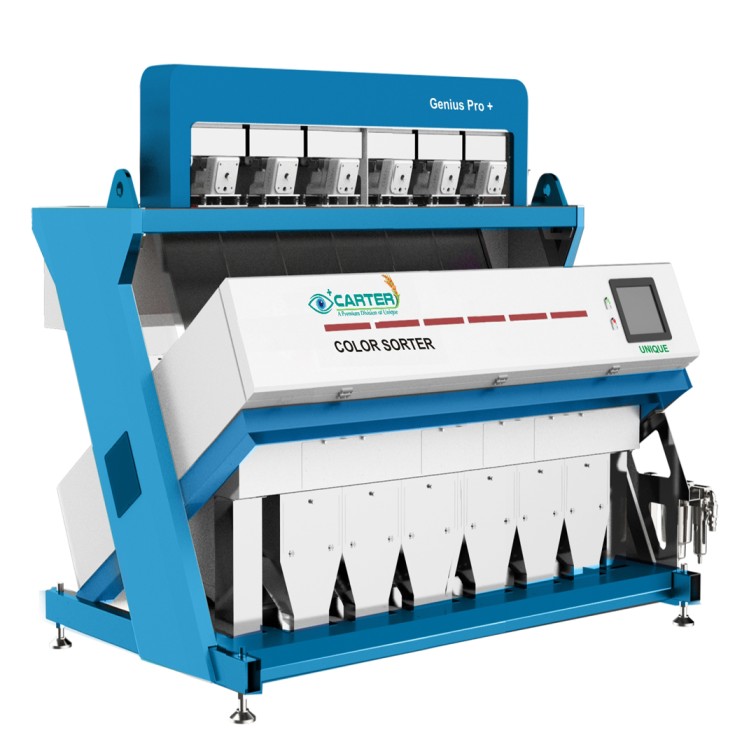
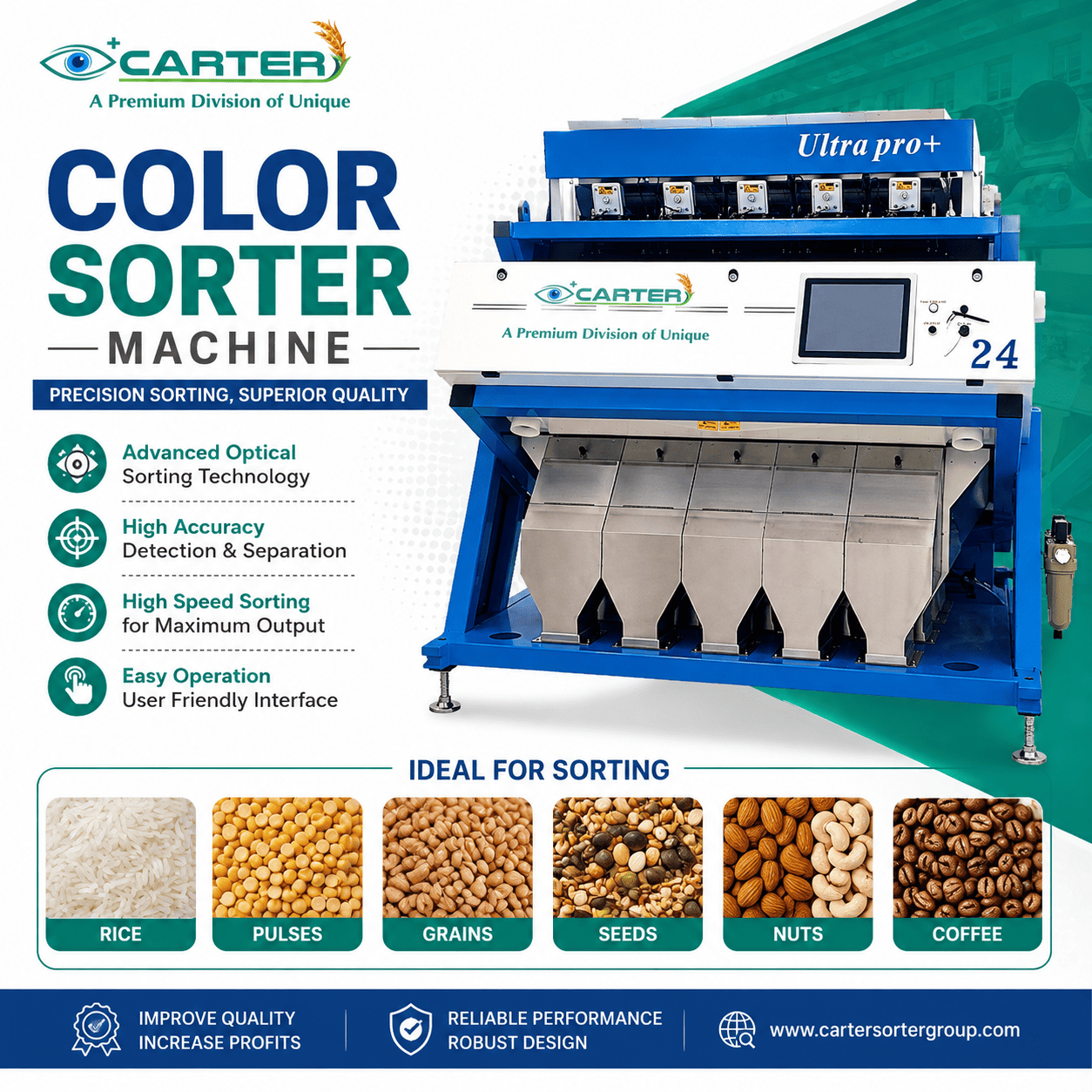
A Plastic Color Sorter Machine is an automated optical sorting system designed to inspect plastic particles and separate them according to programmed visual criteria.
A modern plastic color sorting machine may incorporate:
The machine continuously examines the material moving through the inspection zone.
When the system identifies a particle that matches the programmed reject criteria, a high-speed air jet can remove that particle from the main product stream.
A Color Sorter Machine for Plastic Granules generally follows several stages.
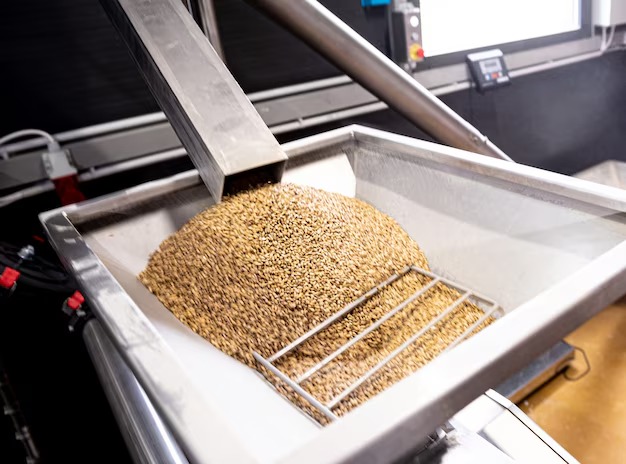
HIPS granules are introduced into the machine through a controlled feeding system.
The objective is to distribute the material consistently for optical inspection.
Cameras and sensors inspect individual particles as they move through the sorting area.
The machine's processing system analyzes the visual information captured by the optical sensors.
Sorting parameters determine which particles are acceptable and which should be rejected.
Particles with unwanted colors or selected visual characteristics are identified.
These may include:
The system activates a high-speed air jet at the appropriate time to remove the unwanted particle.
Accepted HIPS Granules and rejected material are collected through separate outlets.
This allows the sorting process to continue automatically.
A HIPS Granules Color Sorter Machine can provide several advantages for suitable plastic-processing and recycling applications.
Optical sorting can help separate unwanted color variations and create a more uniform material stream.
Automated inspection reduces the need for workers to continuously inspect individual granules.
Removing selected unwanted particles can help improve the consistency of the processed material.
Industrial color sorting machines can operate continuously and can be integrated into suitable processing lines.
The machine can be configured according to the desired sorting criteria and material characteristics.
Automating the sorting stage can reduce manual effort and improve overall material-handling efficiency.
Automated optical inspection can support consistent quality-control procedures.
Recycling HIPS can be an important part of recovering value from plastic waste and production scrap.
Potential HIPS recycling sources include:
A typical mechanical recycling process can involve:
The exact process depends on the source and condition of the material.
Recycled HIPS can contain a mixture of colors.
For example, a recycling stream could include:
If the recycler wants to produce a specific color fraction, optical sorting can help separate material according to visible color characteristics.
A Plastic Color Sorting Machine can inspect individual particles and reject selected colors from the desired material stream.
However, color sorting should not be confused with polymer identification.
A black HIPS particle and a black particle made from another polymer may look similar. Therefore, if the objective is to separate HIPS from other polymers, additional material-identification technology may be required.
This is an important consideration when selecting plastic sorting equipment.
Color sorting is primarily concerned with visible differences such as:
It can be useful for separating different color fractions of HIPS.
Polymer identification is concerned with determining the actual plastic type.
Different polymers can have similar colors and appearances.
Therefore, a color sorter alone should not be assumed to reliably distinguish HIPS from every other plastic material.
The appropriate technology depends on whether the recycling plant needs:
Choosing the correct Plastic Color Sorter Machine Manufacturer requires understanding the actual material and sorting requirements.
Determine the grade and formulation of the HIPS material.
Particle size and shape influence feeding and optical detection.
Determine which colors should be accepted and which should be rejected.
Check whether the material contains:
Determine the amount of HIPS material that needs to be processed per hour.
Identify the desired purity level and acceptable reject rate.
Camera resolution, lighting and image-processing capabilities are important factors.
The ejection system needs to respond quickly enough to remove identified particles accurately.
A representative material sample should ideally be tested before finalizing the machine configuration.
HIPS is widely used in products where appearance can be important.
For example, appliance housings, electronic enclosures, toys, consumer products and packaging may require consistent color and surface appearance.
If a small number of unwanted particles remain in the material, they may become visible during injection molding or thermoforming.
This can lead to:
Automated sorting can therefore form an important part of a broader material-quality-control process.
Injection molding is one of the major processing methods used for HIPS.
The process generally involves:
Different HIPS grades are available for different melt-flow and application requirements. Commercial material data show that HIPS grades can vary significantly in melt flow, impact strength, stiffness and heat performance.
Therefore, manufacturers should select the appropriate HIPS grade according to the product design and processing requirements.
HIPS is also suitable for sheet extrusion followed by thermoforming.
In this process:
Applications can include:
HIPS grades with suitable melt strength and processing characteristics are available for these applications.
The major advantages of HIPS include:
Although HIPS provides many advantages, it is not suitable for every application.
Potential limitations can include:
Therefore, material selection should always be based on the requirements of the final product.
India has a growing plastic-processing and recycling industry, increasing the demand for automated sorting equipment.
When selecting a Plastic Color Sorter Machine Manufacturer in India, businesses should evaluate more than the initial equipment price.
Important considerations include:
A machine should be selected according to the specific plastic material and sorting objective.
Carter Sorter Group provides optical sorting solutions for plastic and industrial applications.
For businesses looking for a Plastic Color Sorter Machine Manufacturer in India, Carter Sorter Group can be considered for suitable plastic granule and recycling applications.
HIPS Granules can vary significantly in color, grade, particle characteristics and contamination levels. Therefore, machine configuration should be selected according to the actual material sample.
For applications where the primary objective is color separation, an optical Plastic Color Sorter Machine can help automate the inspection and rejection process.
For applications requiring polymer identification, businesses should evaluate whether additional sensing technologies are required.
A material test can help determine the appropriate machine configuration and sorting performance for the specific HIPS application.
Plastic sorting technology is becoming increasingly automated.
Modern developments in:
are helping recycling and plastic-processing industries improve material separation.
For HIPS recycling, future sorting systems may provide improved identification of colors, contaminants and different plastic materials.
AI-assisted systems can potentially analyze large numbers of particles rapidly and support more precise sorting decisions.
The integration of multiple sensing technologies may also help recycling facilities produce cleaner and more valuable recycled material streams.
HIPS Granules are pelletized high-impact polystyrene resin used to manufacture plastic products through injection molding, extrusion and thermoforming.
HIPS is impact-modified polystyrene designed to provide greater toughness and impact resistance than conventional GPPS.
HIPS is used in appliance parts, electronic housings, packaging, trays, toys, furniture components, consumer products and various industrial applications.
Yes. Suitable HIPS production waste and post-consumer or post-industrial material can be processed through appropriate recycling systems.
A suitable optical color sorter can sort HIPS Granules based on visible color differences and selected visual characteristics.
Color sorting alone may not reliably identify polymers that have similar colors. If polymer separation is required, additional material-identification technology may be necessary.
Color sorting can help remove unwanted colors and visible particles, producing a more consistent material stream for suitable manufacturing and recycling applications.
A Plastic Color Sorter Machine is an automated optical sorting system that uses cameras, sensors, image processing and pneumatic ejection to separate selected plastic particles.
Consider the HIPS grade, particle size, color, contamination level, processing capacity, purity requirement and whether you need color separation or polymer identification.
High-Impact Polystyrene (HIPS) Granules are versatile thermoplastic materials used in appliance components, electronic housings, packaging, thermoformed products, toys, consumer goods and industrial applications.
Compared with conventional GPPS, HIPS provides improved impact resistance and toughness while maintaining useful rigidity and processability. Different commercial grades can offer different combinations of impact strength, stiffness, gloss, heat resistance and melt flow.
For manufacturers and recyclers, maintaining material consistency is important. Unwanted colors, black particles, foreign plastics and contamination can affect the appearance and quality of finished products.
A Plastic Color Sorter Machine can automate color-based sorting of suitable HIPS Granules. Using optical inspection and pneumatic ejection, the system can separate selected unwanted particles from the main material stream.
For companies searching for a Plastic Color Sorter Machine Manufacturer in India, Carter Sorter Group provides optical sorting solutions that can be evaluated for suitable plastic granule and recycling applications.
The correct machine configuration should always be determined according to the actual HIPS sample, particle size, colors, contamination, throughput and required sorting results.
As plastic recycling continues to develop, the combination of machine vision, AI-assisted processing, optical sorting and polymer identification technologies is expected to create increasingly automated and efficient plastic-sorting systems.
HIPS Granules combined with advanced optical sorting technology can help plastic processors and recyclers improve material consistency, reduce manual sorting and support more efficient quality-control processes.
Copyright © 2025 Carter Unique Group, All Right Reserved.
.jpeg)
 Granules.png)
 Granules.png)
 Granules.png)
 Granules.png)
 Granules.png)


